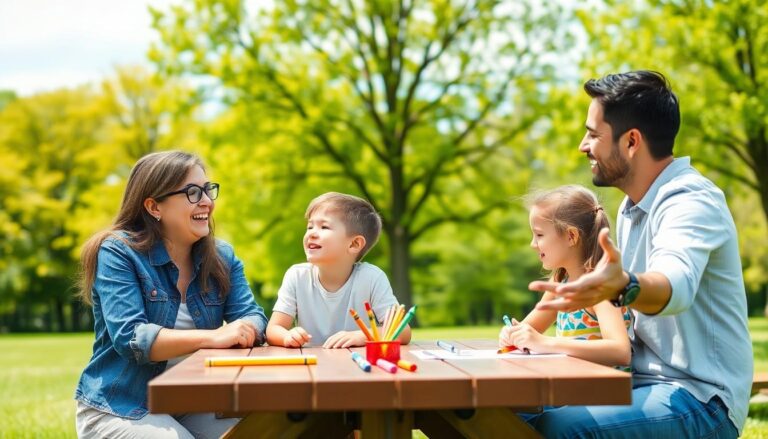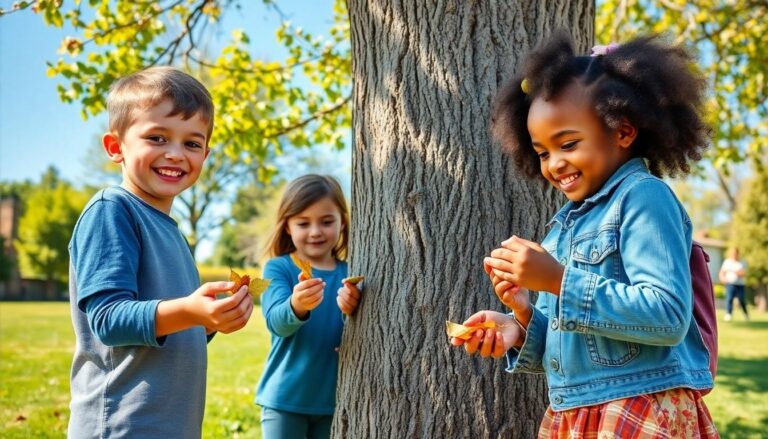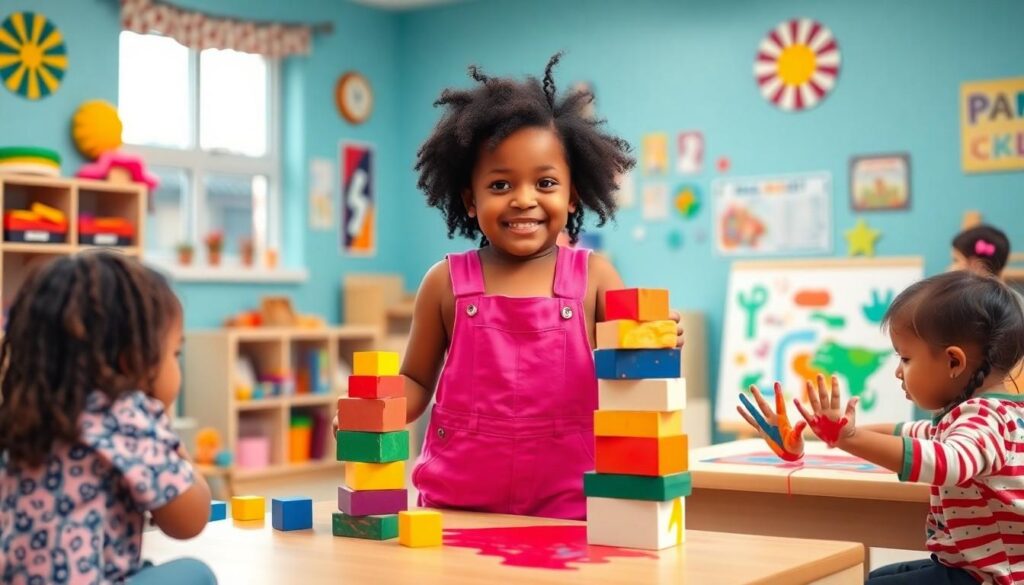
Preschoolers are little sponges, soaking up knowledge faster than a toddler can say “why?” While they may spend their days playing with blocks and finger painting, they’re actually laying the foundation for a lifetime of learning. From counting to colors and sharing to storytelling, preschool is where the magic begins.
Overview of Preschool Learning
Preschoolers engage in various activities that support their holistic development. Learning occurs through structured play and social interactions, fostering essential skills. Daily routines often include singing, dancing, and storytelling, which improve language abilities and enhance creativity.
Preschool learning focuses on foundational concepts in mathematics and literacy. Children practice counting with toys and learn to recognize letters through engaging games. Such activities introduce numbers, shapes, and colors, building early comprehension and cognitive skills.
Social skills also receive significant attention. Playing in groups teaches teamwork, sharing, and conflict resolution. These interactions help children understand emotions and develop empathy towards peers. Educators encourage positive communication, promoting confidence and self-expression.
Additionally, fine and gross motor skills are developed through hands-on activities. Crafting, painting, or playing sports supports physical coordination and dexterity. Engaging with puzzles and manipulatives builds problem-solving abilities and enhances critical thinking.
Incorporating routines establishes a sense of security and predictability. Children learn to follow directions, which aids self-regulation. Consistency fosters an environment where exploration and curiosity thrive.
Preschool offers a unique environment for learning through play, nurturing a love for knowledge. Emphasizing collaboration, creativity, and exploration enables children to embark on a lifelong journey of learning.
Cognitive Development

Cognitive development in preschoolers focuses on their ability to think, learn, and solve problems. This stage marks a critical time for acquiring essential skills that lay the foundation for future educational success.
Language Skills
Language skills flourish in preschool through various activities. Engaging in storytelling and singing enhances vocabulary and comprehension. Children practice new words during conversations with peers. Sharing experiences allows them to express thoughts and emotions. Listening to others fosters understanding and boosts communication abilities. Each interaction encourages language use in meaningful contexts, creating a rich language environment that supports cognitive growth.
Problem-Solving Abilities
Problem-solving abilities evolve significantly during preschool years. Children encounter challenges through hands-on activities, prompting them to explore solutions. Manipulating objects like puzzles develops critical thinking and reasoning skills. Collaborative activities promote teamwork, allowing children to brainstorm together. When faced with obstacles, they learn to adapt and think creatively. This process cultivates resilience and a positive attitude toward challenges, essential for lifelong learning.
Social and Emotional Growth
Preschool plays a vital role in social and emotional growth. Children learn to navigate relationships and understand their feelings during this important developmental stage.
Peer Interaction
Peer interaction forms the foundation of social learning. Engaging with classmates during group activities teaches sharing and cooperation. Conflicts may arise during play, prompting children to practice negotiation and problem-solving. Friendships develop as preschoolers learn to empathize and support one another. Engaging in cooperative games provides valuable lessons in teamwork and communication. These interactions foster a sense of community and belonging, crucial for emotional well-being.
Emotional Regulation
Emotional regulation emerges as preschoolers experience a range of feelings. Structured routines help children identify and express their emotions effectively. Teachers guide children in recognizing triggers and appropriate responses to frustration and disappointment. Through activities like role-playing or storytelling, they learn to manage feelings in a constructive manner. Practicing mindfulness techniques aids in calming strategies, promoting resilience. As children become more aware of their emotions, they develop a stronger sense of self and confidence.
Physical Development
Physical development in preschoolers encompasses the refinement of gross and fine motor skills, essential for navigation and interaction with their environment.
Gross Motor Skills
Gross motor skills involve larger movements that engage muscles in the arms, legs, and torso. Activities like running, jumping, and climbing emphasize coordination and strength. Many preschoolers participate in group games that foster physical activity and enhance balance. Playing outside encourages exploration, while structured activities like dance and sports promote teamwork. These experiences support not only physical health but also confidence as children master new abilities. Engaging with peers through active play develops social connections, reinforcing cooperative interaction.
Fine Motor Skills
Fine motor skills focus on smaller, precise movements, engaging fingers and hands. Activities such as drawing, cutting, and manipulating small objects enhance dexterity and hand-eye coordination. Preschoolers benefit from hands-on tasks like crafting, which refine their grasp and control. Learning to grip crayons or use scissors fosters independence and creativity. These activities also provide practice in problem-solving as children navigate tasks. Development of fine motor skills is crucial for future academic tasks such as writing and completing puzzles, laying a foundation for readiness in the classroom.
Creative Expression
Creative expression forms a crucial part of preschool learning. It allows children to explore their feelings and ideas through various mediums.
Art and Imaginative Play
Children engage in art through activities like drawing, painting, and crafting. These activities encourage creativity, enabling preschoolers to express emotions visually. Imaginative play, such as role-playing and storytelling, deepens their understanding of the world. While engaging in these activities, they enhance problem-solving abilities. Craft projects also refine fine motor skills, preparing them for future tasks like writing. Furthermore, collaboration during group art projects teaches sharing and teamwork. Each moment spent in artistic exploration fosters a sense of accomplishment and boosts self-esteem.
Music and Movement
Music and movement activities play a significant role in preschool development. Songs and rhythm exercises promote language skills while enhancing auditory processing. Movement activities, ranging from dancing to singing, improve gross motor skills and coordination. As children participate in group dances, they learn social skills like cooperation. Rhythmic games encourage pattern recognition and cognitive development. Additionally, music fosters emotional expression, helping children articulate feelings through sound. Overall, music and movement integrate physical activity with creative learning, laying a strong foundation for future education.
Conclusion
Preschool serves as a vital stepping stone in a child’s development. Through play-based activities and structured routines, preschoolers cultivate essential skills that shape their future learning experiences. They not only acquire foundational knowledge in literacy and mathematics but also develop social and emotional competencies that promote healthy relationships.
The emphasis on creativity and physical activity further enriches their learning environment. As children engage in collaborative projects and explore their feelings through art, they build confidence and resilience. This holistic approach to education ensures that preschoolers are well-prepared for the challenges of school and life ahead. By fostering a love for learning and exploration, preschool lays the groundwork for lifelong growth and success.