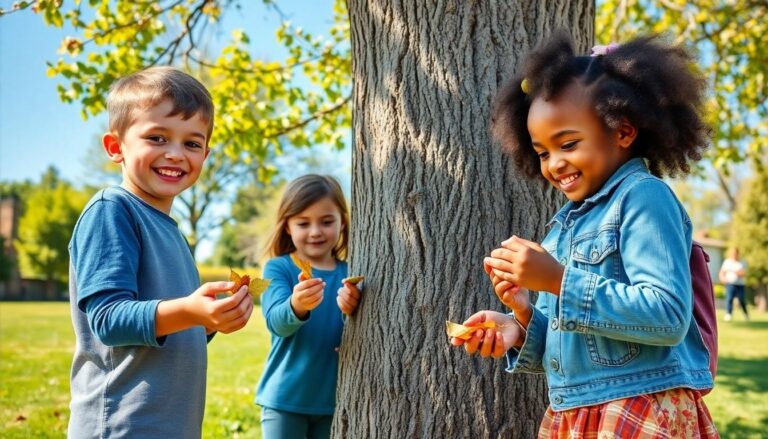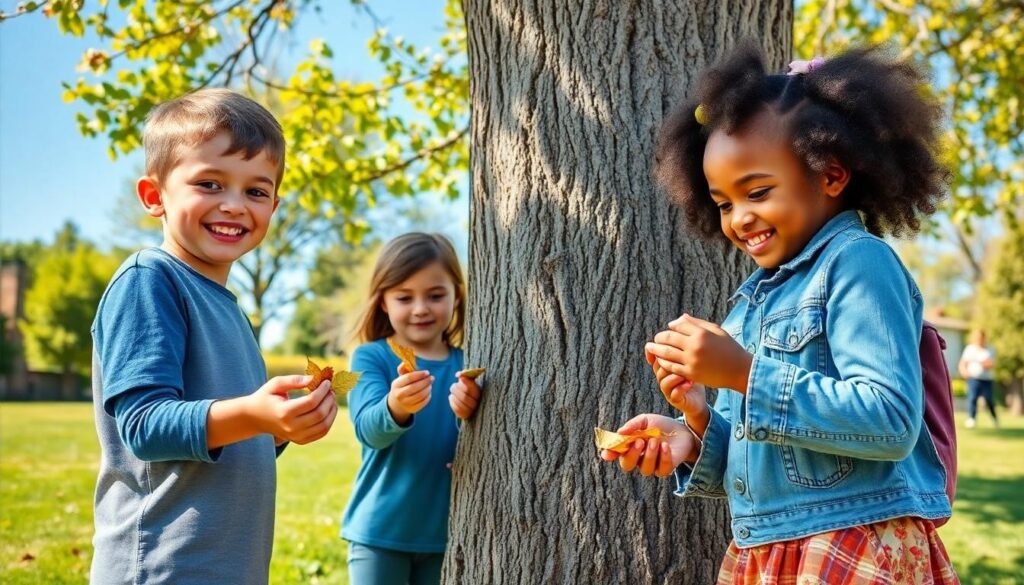
Trees aren’t just for climbing or providing shade; they’re the ultimate playground for preschoolers’ imaginations! Picture this: tiny hands exploring nature while learning about the world around them. Tree activities can turn a simple park visit into an adventure filled with discovery and fun.
Overview of Tree Activities for Preschoolers
Tree activities offer preschoolers an engaging way to explore nature. Activities can include tree identification, leaf rubbing, and nature scavenger hunts. Engaging with trees promotes curiosity and enhances sensory experiences.
Activities enable children to learn about different tree species. Identifying trees based on leaf shape or bark texture fosters observation skills. Leaf rubbings create artistic expressions while teaching about textures.
Nature scavenger hunts encourage exploration and teamwork. Finding leaves, acorns, or insects creates opportunities for discovery. These hunts enhance cognitive skills while promoting physical movement.
Storytime under a tree adds a creative element. Reading books about trees sparks imagination, allowing for discussion. Following stories with related crafts solidifies learning through hands-on experiences.
Planting seeds or small trees supports environmental awareness. Children learn about growth and care through direct involvement. This activity develops responsibility and nurtures a sense of achievement.
Craft projects focusing on trees can inspire creativity. Building a tree model using recyclable materials integrates art and science. Creating a seasonal tree display enhances understanding of nature’s cycles.
Incorporating movement with tree games boosts physical activity. Games like “Tree Tag” teach rules while encouraging social interaction. Movement-based activities improve motor skills and promote healthy habits.
Tree-related activities, therefore, enrich preschoolers’ educational experiences. They combine fun with learning, making nature an integral part of childhood development. Through exploration and creativity, children foster a deeper connection with the environment.
Benefits of Engaging Children with Trees

Engaging children with trees offers numerous developmental benefits. These benefits contribute to holistic growth and connection with nature.
Cognitive Development
Cognitive growth arises from interactions with trees and nature. Activities like tree identification promote critical thinking and problem-solving skills. Observing various tree species enhances knowledge about the environment.
Children engage their senses through leaf rubbing and nature scavenger hunts, sharpening observational skills. These experiences also boost creativity by inspiring imaginative play. Encouraging discussions during storytime under trees fosters language development. Hands-on crafts related to trees stimulate artistic expression, making learning enjoyable.
Physical Benefits
Physical activity increases significantly through tree-related games. Activities like “Tree Tag” promote movement and coordination. Climbing or exploring around trees strengthens gross motor skills.
Outdoor play fosters a sense of adventure, motivating children to engage in active exploration. This engagement often leads to improved fitness levels and overall health. Furthermore, walking during nature scavenger hunts develops endurance while encouraging teamwork. Children develop a love for outdoor settings, ultimately creating a lifelong appreciation for physical activity.
Fun and Educational Tree Activities
Engaging preschoolers with trees leads to fun discoveries and learning opportunities. Several activities encourage exploration and creativity while fostering a connection with nature.
Nature Walks and Tree Identification
Nature walks present an excellent opportunity for children to explore different tree species. Providing picture guides of local trees helps preschoolers identify and learn about their characteristics. Observing tree bark, leaves, and shapes sparks curiosity and ignites conversations about nature. Local parks or schoolyards serve as perfect locations for these walks, allowing children to experience the outdoors. Group participation enhances teamwork as they search for various trees together.
Leaf Collecting and Art Projects
Collecting leaves introduces children to diverse shapes, sizes, and colors found in nature. After collecting, preschoolers can create leaf rubbings using paper and crayons, transforming their observations into art. Craft projects featuring leaves, such as making tree collages or decorating greeting cards, allow for self-expression. Integrating science and art fosters creativity while teaching children about plant anatomy. These activities encourage physical engagement and fine motor skill development.
Tree-Themed Storytime
Storytime beneath a tree creates a captivating atmosphere for preschoolers. Selecting books that emphasize trees and nature piques children’s interest and enhances their imagination. After reading, discussions about the story’s themes deepen understanding and encourage critical thinking. Incorporating related crafts, like drawing their favorite tree from the story, merges art with literature. This interaction not only reinforces comprehension but also nurtures a lifelong love for reading and storytelling.
Safety Considerations for Outdoor Activities
Ensuring safety during outdoor activities is crucial for preschoolers. Supervision represents a primary safety concern. Adults need to monitor children closely to prevent accidents. Designated play areas should be established to limit potential hazards.
Children must wear appropriate clothing and footwear. Sturdy shoes reduce the risk of slips and falls while running around trees. Sun protection, like hats and sunscreen, guards against sunburn during outdoor explorations.
Setting boundaries is essential for safety. Preschoolers should understand limits regarding how far they can go while exploring. Establishing clear communication aids in ensuring children stay within safe areas.
First aid kits should always be on hand for emergencies. Equipment like bandages, antiseptics, and allergy medications can address minor injuries quickly. Regularly inspecting the play area for potential dangers contributes to a safer environment.
Understanding tree-related risks enhances safety awareness. Parents and educators need to educate children about hazards like falling branches or poisonous plants. Teaching children to recognize these risks promotes their overall safety during tree activities.
Finally, emergency plans should be established. Knowing how to contact emergency services offers peace of mind. Educators can prepare children for unexpected situations, fostering a swift and calm response.
Conclusion
Engaging preschoolers in tree activities opens up a world of exploration and learning. These experiences not only spark curiosity but also foster essential skills that contribute to their overall development. By incorporating fun and educational tree-related activities into their routines, children can develop a deeper appreciation for nature.
The joy of discovering trees and their surroundings can instill a lifelong love for the outdoors. With proper safety measures in place, parents and educators can create enriching environments where children thrive. Embracing these activities will undoubtedly enhance their creativity and cognitive abilities while promoting physical health and social interaction.