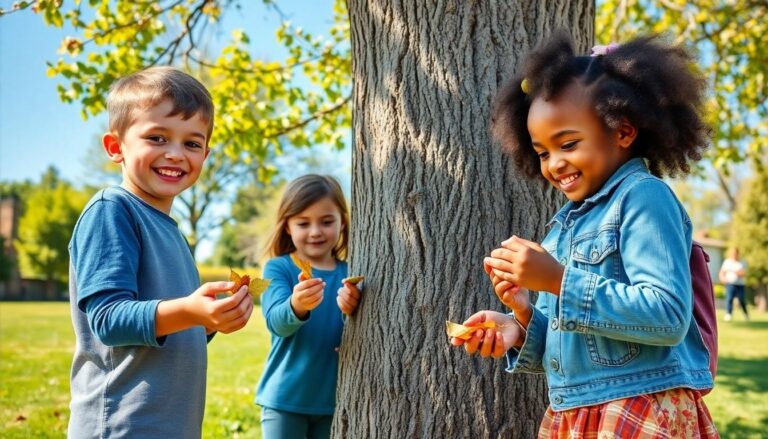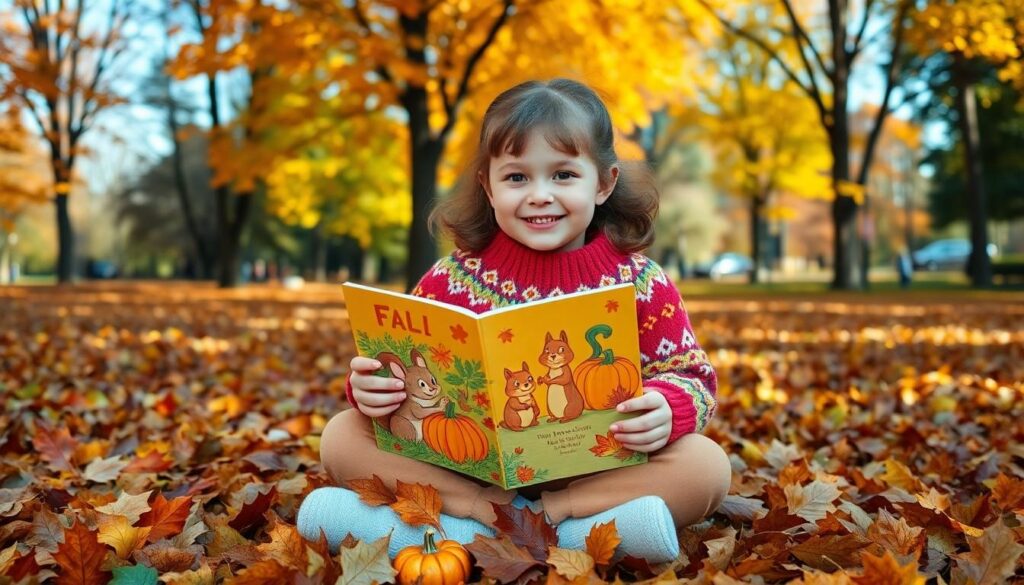
As the leaves turn golden and the air gets crisp, it’s the perfect time to cozy up with some delightful fall-themed books for preschoolers. Imagine a world where pumpkin patches come alive and friendly squirrels share their autumn adventures. These stories not only spark imagination but also help little ones learn about the season in a fun and engaging way.
Best Fall Books for Preschoolers
“Froggy Gets Dressed” by Jonathan London captivates little readers with Froggy’s autumn adventures. This story features vibrant illustrations and a playful tone that engages preschoolers while teaching about preparing for cooler weather.
“Too Many Pumpkins” by Linda White shares the tale of a woman who loves pumpkins yet faces a hilarious pumpkin predicament. Children learn about generosity and sharing throughout the delightful narrative.
“Pete the Cat: Falling for Autumn” by James Dean invites kids into Pete’s whimsical world. This book combines catchy rhymes with bold visuals while introducing seasonal changes in a fun way.
“The Little Scarecrow Boy” by Margaret Wise Brown showcases a young scarecrow’s journey to prove his bravery. Its rhythmic writing and charming illustrations draw preschoolers into the comforting themes of friendship and discovery.
“Leaf Man” by Lois Ehlert encourages creativity using autumn leaves. This interactive story leads children on a delightful adventure as Leaf Man glides through various landscapes, inspiring imaginative play.
“Who Said Red?” by Mary Serfozo offers insights into colors and fall themes. With simple text and enchanting illustrations, preschoolers can easily connect with the seasonal changes surrounding them.
“Bear Says Thanks” by Karma Wilson presents Bear and his friends celebrating the harvest. The story teaches gratitude and friendship through a series of engaging rhymes and adorable visuals.
Each of these books invites preschoolers to embrace fall’s magic. They introduce themes of nature, friendship, and creativity, making them perfect additions to any autumn reading list.
Thematic Categories

Books for preschoolers offer a range of themes to explore, especially during the fall season. Engaging children through these thematic categories enhances their understanding of autumn.
Seasonal Changes
Stories focusing on seasonal changes introduce preschoolers to the transformation of nature. Characters often experience environmental shifts, such as trees losing leaves or animals preparing for winter. Titles like “Pete the Cat: Falling for Autumn” highlight these changes vividly, using playful rhymes and bright illustrations. Readers observe how the world adjusts around them, fostering curiosity about nature’s cycles. As they immerse in these tales, preschoolers connect emotionally to the journey of the seasons.
Harvest and Thanksgiving
Books centered on harvest and Thanksgiving emphasize gratitude and sharing. Stories like “Too Many Pumpkins” illustrate themes of generosity with humor. Readers learn about the importance of community and the bounty of the harvest season. These narratives encourage discussions about family traditions and the joy of giving. Engaging illustrations complement the stories, capturing preschoolers’ attention while teaching valuable lessons about appreciation and togetherness.
Animals in Autumn
Animal characters play a significant role in fall-themed literature. Titles such as “Bear Says Thanks” feature creatures preparing for the colder months. These stories depict how animals gather food, find shelter, and interact with one another. As children read, they gain insight into the behaviors of various animals during autumn. Creative illustrations further enhance their understanding and appreciation of wildlife, inviting preschoolers to explore the interconnectedness of life in the changing season.
Engaging Activities
Integrating activities with fall books enhances the reading experience for preschoolers. Engaging techniques and craft ideas stimulate creativity and reinforce learning themes.
Storytime Techniques
Utilizing interactive storytime techniques keeps preschoolers focused and excited. Encourage participation by asking children questions about the story’s characters or events. Use expressive voice variations to bring characters to life, making the narrative more captivating. Incorporating props related to the story, such as soft autumn leaves or pumpkin toys, encourages imaginative play. Repeating key phrases from the books builds familiarity and enhances retention. Incorporate movement by having preschoolers mimic animal actions or seasonal changes, allowing them to connect physically and mentally to the story.
Craft Ideas Related to Books
Craft activities complement the themes explored in fall literature. Create leaf rubbings using crayons to highlight colors from “Leaf Man.” Use recycled materials to construct pumpkin decorations inspired by “Too Many Pumpkins.” Assemble paper scarecrows that tie into “The Little Scarecrow Boy” narrative, encouraging discussions about bravery and friendship. Seasonal collages can be made by gluing various paper textures together, reflecting the harvest theme. Additionally, crafting gratitude cards based on “Bear Says Thanks” fosters an understanding of thankfulness. These hands-on activities nurture creativity while reinforcing lessons from beloved fall stories.
Benefits of Reading in Fall
Reading during fall offers numerous benefits for preschoolers. Engaging with seasonal stories enhances their understanding of autumn, fostering a deeper connection with nature. Exploring themes like Thanksgiving promotes values of gratitude and generosity, enriching children’s emotional intelligence.
Imagine the excitement of discovering new vocabulary through vibrant illustrations. This process supports language development while sparking imagination. Hands-on activities inspired by stories, such as leaf rubbings or pumpkin crafts, strengthen fine motor skills and creativity.
Furthermore, stories provide an interactive platform for family bonding. Reading together helps strengthen relationships as caregivers engage in discussions about the plots and characters. Emotional connections formed during reading create a secure environment for preschoolers to express their thoughts and feelings.
Additionally, themed books about animals, such as “Bear Says Thanks,” teach children about wildlife preparation for winter. Understanding these connections encourages empathy towards living creatures and environmental awareness.
Incorporating expressive voices and interactive questions during storytime keeps preschoolers engaged. This practice enhances focus and promotes critical thinking, as children learn to analyze character motivations and story outcomes.
Reading during fall cultivates a love for literature. Celebrating seasonal changes through stories creates a foundation for lifelong learning and curiosity in preschoolers, making this an invaluable part of their development.
Recommendations from Educators
Educators recommend specific fall books to enhance preschoolers’ understanding and enjoyment of the season. “Froggy Gets Dressed” captures attention with bright illustrations, teaching kids about dressing for cooler weather.
Incorporating humor, “Too Many Pumpkins” illustrates generosity, making it a delightful read for young audiences. “Pete the Cat: Falling for Autumn” features catchy rhymes and vibrant visuals, effectively introducing seasonal changes.
“The Little Scarecrow Boy” explores friendship and bravery, engaging children with relatable themes. Creativity thrives in “Leaf Man,” as kids learn to make art from autumn leaves.
Understanding colors and fall is simplified in “Who Said Red?” It connects preschoolers to nature’s palette, sparking curiosity. “Bear Says Thanks” emphasizes gratitude, featuring engaging rhymes that keep children captivated.
Focusing on seasonal changes, harvest themes and Thanksgiving elements, these titles cater to diverse interests. Animal characters in fall stories enhance emotional intelligence and empathy, teaching kids about wildlife preparation for winter.
Reading recommended titles together fosters family bonding. Engaging discussions about characters and plots create a safe space for preschoolers to express thoughts. Interactive storytime promotes critical thinking and maintains focus.
Creative activities inspired by the stories, such as leaf rubbings, strengthen fine motor skills. Vocabulary development flourishes through vibrant illustrations, enriching language acquisition.
Incorporating these themed books makes fall reading a delightful journey, cultivating a love for literature while laying the groundwork for lifelong learning.
Conclusion
Embracing fall-themed books opens a world of imagination and learning for preschoolers. These stories not only celebrate the beauty of the season but also instill important values like gratitude and generosity. Engaging with vibrant illustrations and relatable characters fosters a love for reading that can last a lifetime.
As families gather to explore these tales together, they create cherished memories while nurturing emotional intelligence and critical thinking skills. The hands-on activities inspired by these books further enhance creativity and fine motor development.
Incorporating a variety of fall literature into reading routines enriches preschoolers’ understanding of the world around them, making autumn an ideal time to ignite curiosity and foster a lifelong passion for books.