In a world where team sports often steal the spotlight, individual sports for kids deserve their moment of glory. Imagine your child mastering the art of karate or gracefully gliding across the ice while everyone else is still figuring out how to tie their shoelaces. Individual sports not only boost confidence but also teach valuable life skills like discipline and resilience.
Overview of Individual Sports for Kids
Individual sports offer children opportunities to develop skills unique from team environments. Activities like tennis, swimming, and gymnastics promote self-reliance and personal accountability. With individual sports, kids learn to set goals and strive for personal achievements.
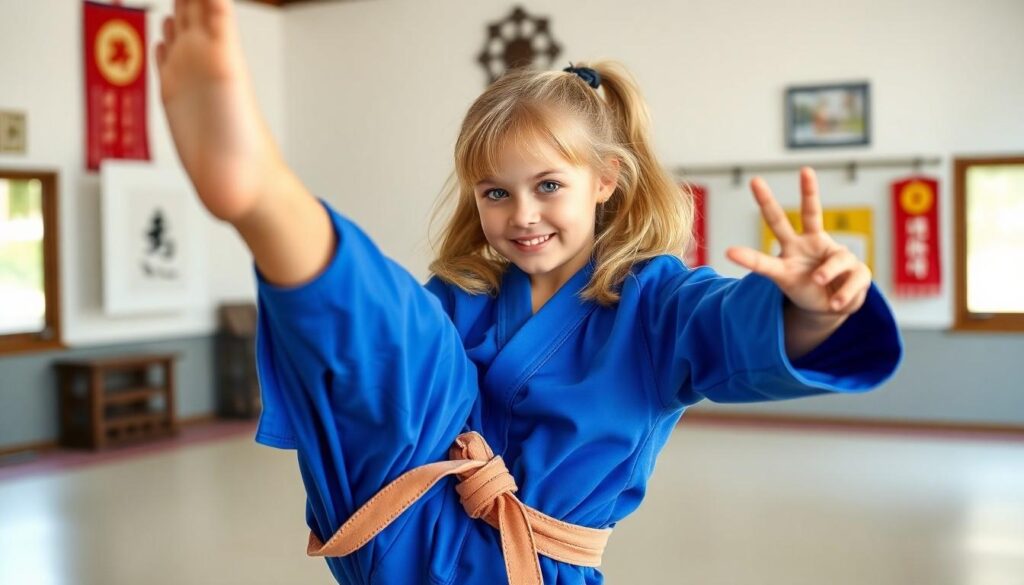
Karate exemplifies how individual sports enhance self-discipline. Practitioners focus on mastering techniques and advancing through belt ranks, which builds persistence. At the same time, figure skating combines athleticism with artistry, allowing children to express creativity while honing technical skills.
Swimming stands out as a low-impact sport that improves cardiovascular health. Competitive swimmers focus on personal best times, fostering a sense of achievement. Tennis encourages mental toughness and strategic thinking, as players make quick decisions during matches.
Cycling provides an alternative for kids, enhancing leg strength and endurance. Riders can challenge themselves on varying terrains and distances. Athletics, including track and field events, showcases children’s speed and agility through sprints, hurdles, and long-distance races.
Parents often appreciate how individual sports like martial arts and archery instill respect and focus. Classes highlight the importance of following instructions and maintaining discipline. Additionally, sailing introduces lessons in teamwork, as sailors learn to collaborate during races while relying on their skills for execution.
Participating in individual sports nurtures social skills as children engage with coaches and peers. Their involvement in various competitions fosters resilience and adaptability. Overall, individual sports offer comprehensive benefits that support a child’s developmental journey.
Benefits of Individual Sports

Individual sports offer numerous advantages for children’s overall development. Engaging in these activities fosters essential skills that benefit various aspects of life.
Physical Health Benefits
Participation in individual sports significantly boosts children’s physical health. Activities like swimming and cycling enhance cardiovascular fitness and improve endurance. Strength and flexibility find reinforcement through gymnastics and karate. Children often experience increased coordination, which minimizes injury risks in daily life. Regular involvement in these sports promotes a healthy lifestyle and helps combat childhood obesity. It also encourages formulating good habits. Emphasizing the importance of physical activity, individual sports serve as a foundation for lifelong fitness.
Mental Health Benefits
Individual sports contribute positively to mental health by improving self-esteem and confidence. Overcoming challenges during practice builds resilience. Achieving personal bests in disciplines like tennis and swimming fosters a sense of accomplishment. Additionally, these activities enhance focus and concentration, which translates to better academic performance. Participation also encourages goal-setting behaviors, providing a structured environment for personal growth. Engaging with coaches and peers through these sports nurtures social skills, fostering friendships and support networks.
Popular Individual Sports for Kids
Individual sports provide engaging options that help children develop critical skills. The following sports are popular choices among kids and offer various benefits.
Tennis
Tennis enhances coordination and agility. Times spent on the court develop strategic thinking and mental toughness. Children learn about focus through rallies and matches, which improves their ability to concentrate. The sport fosters social interaction, encouraging friendships through doubles play. Regular practice leads to improved physical fitness and balance. Young athletes also enjoy the satisfaction of tracking personal progress through skills and rankings.
Swimming
Swimming offers comprehensive health benefits, promoting cardiovascular fitness and strength. It serves as an essential life skill, ensuring safety in and around water. Children can set personal goals while improving strokes and technique. Regular sessions build endurance and flexibility while enjoying a low-impact environment. Young swimmers cultivate discipline through routine practice and competition. This sport also fosters camaraderie, as swimmers often train and compete together in teams.
Gymnastics
Gymnastics combines physical strength with flexibility and balance. Children gain essential motor skills while learning routines and techniques. The sport encourages self-expression through dance and artistic movements. Young gymnasts develop resilience through consistent practice and facing challenges. Achieving new skills promotes confidence and boosts self-esteem. With a focus on discipline, gymnastics teaches kids the importance of hard work and perseverance.
Martial Arts
Martial arts focus on self-discipline, respect, and personal accountability. Classes teach techniques while emphasizing values such as perseverance and humility. Kids learn to set measurable goals, advancing through belt systems and skill mastery. The physical demands improve strength and coordination, leading to overall fitness. Participating in martial arts fosters social connections with peers and instructors. Regular practice enhances mental focus, supporting better concentration in school and life.
How to Choose the Right Sport for Your Child
Choosing the right sport involves understanding your child’s unique preferences and capabilities. Several factors contribute to making a suitable decision.
Consider Your Child’s Interests
Identifying hobbies is essential in selecting a sport. Children are more likely to engage in activities they find enjoyable. Observation plays a key role; notice if your child shows excitement for certain sports during school activities or recreational events. Discuss preferences openly, considering examples such as swimming or tennis. Encouraging them to express their interests fosters a positive attitude towards participation. Try introducing various sports through local programs or community events. Exposure reinforces their choice.
Assess Physical Abilities
Evaluating physical abilities helps tailor sport selections to your child’s strengths. Assess fundamental skills, such as balance, coordination, and agility. Some kids display natural talent in activities like gymnastics or martial arts, while others may excel in endurance sports like swimming and cycling. Avoiding undue pressure is vital; allow children to explore different sports and determine where they feel comfortable. Encourage regular practice and gradual skill development. Engaging with coaches can also provide insights on your child’s physical readiness. This assessment ensures they enjoy their chosen sport while building confidence through achievement.
Conclusion
Individual sports offer children invaluable opportunities for growth and development. They foster essential life skills like discipline and resilience while promoting physical health and mental well-being. By engaging in activities such as swimming, tennis, and martial arts, kids learn to set goals and build self-esteem, which can positively impact their overall lives.
Choosing the right sport involves understanding a child’s interests and abilities, allowing them to explore various options without pressure. This approach not only nurtures their passion for sports but also encourages lifelong fitness habits. Ultimately, individual sports can play a crucial role in shaping a child’s character and confidence, setting the stage for future success.