When the weather outside is frightful, keeping kids active can feel like a daunting task. But fear not! Indoor sports for kids are here to save the day, turning your living room into a mini arena. Not only do these activities help burn off that boundless energy, but they also keep kids engaged and entertained—without the risk of losing a soccer ball through the neighbor’s window.
Benefits of Indoor Sports for Kids
Indoor sports offer various advantages for children, promoting both physical and mental well-being. Engaging in these activities cultivates a healthier lifestyle and enhances kids’ overall quality of life.
Physical Health Benefits
Improved cardiovascular health ranks among the key benefits of indoor sports. Activities like basketball or indoor soccer elevate heart rates, fostering cardiovascular endurance. Enhanced strength develops through sports like rock climbing, which engages multiple muscle groups. Increased flexibility also results from indoor gymnastics, contributing to better overall agility. Regular participation in indoor sports helps control weight by burning calories, countering sedentary behavior. Supporting healthy bone development occurs as kids engage in weight-bearing activities, laying a foundation for lifelong health.
Mental Health Benefits
Boosted self-esteem arises from mastering new skills in indoor sports. Children often experience increased confidence as they progress, reinforcing their sense of achievement. Enhanced concentration and focus occur when kids participate in structured games, sharpening their attention spans. Reduced anxiety levels frequently surface due to the outlet of physical activity, allowing children to express themselves. Connections with peers thrive during team sports, fostering friendships and social interaction. Overall, engaging in indoor sports significantly contributes to emotional well-being, promoting a balanced mindset.
Popular Indoor Sports Options

Indoor sports provide engaging activities for kids, fostering their physical and mental growth. Several popular options exist that cater to different interests and skill levels.
Basketball
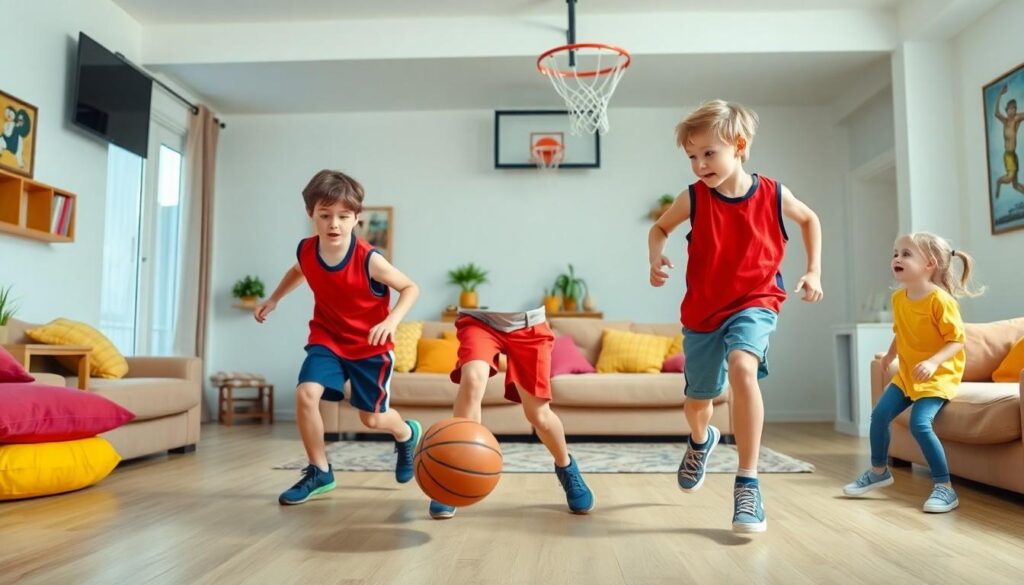
Basketball stands out as a dynamic indoor sport ideal for kids. Equipment includes a basketball and a hoop, which can fit in various settings. Players develop essential skills like dribbling, shooting, and passing. Many local community centers offer courts, providing accessible spaces for practice. Team play enhances social skills and encourages teamwork among peers, making it a favorite choice for numerous children.
Table Tennis
Table tennis presents a fast-paced indoor sport that enhances coordination and reflexes. The game requires minimal space, only needing a table tennis table, paddles, and a lightweight ball. Kids improve their hand-eye coordination while enjoying friendly competition. Various clubs and recreational facilities frequently host tournaments, encouraging kids to participate and interact with other players. Engaging in table tennis offers a fun way to stay active regardless of age or skill level.
Squash
Squash serves as an exciting indoor sport for children, combining speed and strategy. Players use rackets to hit a ball against walls in an enclosed court. This sport trains cardiovascular endurance and develops agility. Local gyms typically have squash courts available for use, making it an accessible option. Squash promotes quick thinking and problem-solving skills while fostering camaraderie among players, supporting their social development.
Equipment and Space Requirements
Keeping kids engaged in indoor sports often requires specific equipment and space considerations. Ensuring the right gear and suitable locations enhances the overall experience.
Essential Gear for Indoor Sports
Kids need age-appropriate equipment for each sport. For basketball, a small hoop and lightweight ball enhance play. Table tennis requires paddles and a regulation-sized table, both emphasizing accessibility for different skill levels. Squash players benefit from rackets and balls designed specifically for indoor use. Many items promote safety, such as padded flooring or non-slip shoes. Providing proper gear fosters skill development while minimizing injury risks.
Suitable Indoor Locations
Available space directly impacts kids’ ability to play various indoor sports. Large living rooms serve well for basketball shooting practice, while garages can accommodate table tennis setups. Community centers often host squash courts, providing an ideal environment for matches or practice sessions. Schools, equipped with gymnasiums, support numerous indoor sports and encourage social interaction. Having access to suitable locations contributes significantly to children’s enjoyment and motivates them to stay active.
Tips for Encouraging Kids to Participate
Encouraging kids to engage in indoor sports can be essential for their active lifestyles. Utilize supportive strategies to boost their interest.
Creating a Positive Environment
Establish a fun atmosphere that fosters enthusiasm. Furnish spaces with bright colors and engaging materials. Offer praise for effort and improvement, emphasizing progress over competition. Facilitate opportunities for kids to make choices about activities, enabling them to feel ownership. Organize friendly games and challenges that promote teamwork and cooperation. Set achievable goals, allowing kids to experience success, which reinforces their motivation.
Involving Parents and Guardians
Engagement from parents and guardians plays a crucial role in motivating children. Invite family members to participate in indoor sports activities, fostering connection. Communicate the benefits of these sports to parents so they can support their kids effectively. Schedule family sporting events that turn exercise into quality time. Provide opportunities for parents to volunteer during activities, strengthening community bonds. Encourage them to celebrate achievements, no matter how small, to reinforce a positive approach to participation.
Conclusion
Indoor sports offer a fantastic way for kids to remain active and engaged, especially when outdoor conditions aren’t ideal. These activities not only promote physical fitness but also enhance mental well-being and social skills. By providing a variety of options and creating an encouraging environment, parents can inspire their children to explore new interests and develop healthy habits.
Investing in the right equipment and designating appropriate spaces for play can significantly enhance the indoor sports experience. With a little creativity and involvement, families can turn any indoor area into a lively hub of activity, ensuring that kids stay active and happy all year round.