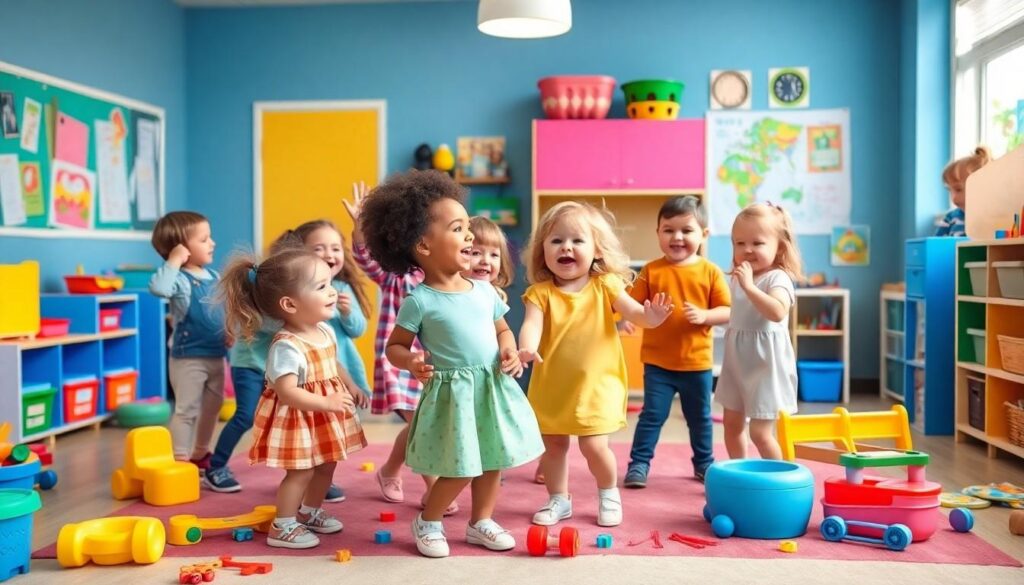
Transitioning from one activity to another can feel like herding cats, especially with preschoolers. One moment they’re building a castle out of blocks, and the next, they’re off on a wild adventure in their imaginations. But fear not! With the right transition activities, those mini tornadoes can shift gears smoothly and even have a little fun while doing it.
Importance of Transition Activities for Preschoolers
Transition activities play a crucial role in the daily routine of preschoolers. They help children shift focus from one task to another with minimal disruption. Smooth transitions benefit a child’s emotional and cognitive development by reducing anxiety. With effective activities, he or she learns to adapt to changes, fostering resilience.
Structured transition activities create a sense of routine. Stability encourages preschoolers to feel secure during changes. Visual aids or songs can signal upcoming transitions, easing their anxiety. In turn, these activities prepare them for structured environments like school.
Social skills often improve through transition activities. Engaging in collaborative games or group discussions encourages cooperation. As children move from one activity to another, they practice taking turns and sharing. These essential skills build a foundation for interaction in future social settings.
Observation also reveals that children’s focus remains longer during structured transitions. Activities incorporating counting or movement keep their attention engaged. By utilizing interactive elements, educators can sustain interest, making transitions enjoyable.
Creativity flourishes in transition activities as well. Storytelling or role-playing allows preschoolers to express their imaginations while transitioning. This encourages creative thinking and problem-solving as they navigate different scenarios.
Overall, the significance of transition activities lies in their multifaceted benefits. Through smooth transitions, children develop critical skills essential for their growth. Each transition serves not just as a change in activity but as an opportunity for learning and development.
Types of Transition Activities

Various transition activities facilitate smooth changes for preschoolers. Understanding these activities helps educators prepare children for new experiences.
Social Transitions
Social transitions focus on enhancing interaction among children. Games like “Simon Says” not only promote listening but also encourage cooperation. Activities that involve working in pairs or small groups foster sharing and communication, crucial for social development. Story-sharing circles also offer opportunities for children to express themselves and learn from peers’ experiences. Structured peer interactions build foundational social skills essential for future interactions.
Emotional Transitions
Emotional transitions help preschoolers navigate their feelings during changes. Breathing exercises provide tools for managing anxiety, equipping children to handle new situations calmly. Storybooks addressing various emotions prepare children for different scenarios they’ll encounter. Singing familiar songs signals a change and creates a sense of security. Practicing self-regulation techniques boosts confidence, allowing children to express and manage their feelings constructively.
Routine Transitions
Routine transitions rely on consistent schedules to instill security. Visual schedules guide preschoolers through daily activities, making expectations clear. Engaging in countdowns before transitioning allows children to mentally prepare for what’s next. Simple rituals, like a group chant, reinforce structure and unify the class. Establishing routines helps children develop a sense of responsibility and promotes time management skills crucial for later educational experiences.
Strategies for Implementing Transition Activities
Transition activities are essential for helping preschoolers effectively navigate changes in their daily routines. These strategies foster a smoother movement between activities, enhancing emotional security and cognitive focus.
Creating a Welcoming Environment
Setting a welcoming atmosphere supports preschoolers during transitions. Classrooms should be organized and visually appealing, filled with engaging materials and interactive areas. Comfortable seating arrangements and colorful decor encourage a sense of belonging. Including designated areas for quiet time or group activities helps children feel secure. Caregivers benefit from greeting children warmly and using positive reinforcement. Familiarity with their surroundings fosters confidence, easing transitions effectively.
Using Visual Aids and Cues
Visual aids play a crucial role in guiding preschoolers toward upcoming changes. Picture schedules provide clear expectations, helping children anticipate activities. Flashcards and illustrations serve as quick reminders of what comes next. Singing transition songs can create a joyful atmosphere while signaling shifts in focus. Consistent cues help solidify understanding and allow children to engage actively in transitions. Throughout the day, these visual supports enhance learning and retention of routines.
Benefits of Transition Activities for Preschoolers
Transition activities offer numerous benefits for preschoolers. These activities provide calmness during changes, helping children shift from one task to another smoothly. Emotional development improves as children engage in structured transitions, which reduce anxiety and create an environment of stability.
Social interactions play a significant role in preschool environments. Engaging in collaborative games enhances communication skills among children. Games like “Simon Says” and group storytelling sessions foster teamwork, turn-taking, and sharing behaviors.
Cognitive focus also receives a boost through these activities. Observations show that children maintain attention longer during transition times, particularly when involving counting games or movement activities. Creativity is encouraged when preschoolers participate in storytelling or role-playing transitions, allowing for imaginative expression.
Routine transitions help establish security and responsibility. Using visual aids, such as picture schedules, provides clear timeframes for upcoming activities. Consistent routines allow children to anticipate changes, easing their adjustment to new tasks.
A welcoming environment greatly supports preschoolers during these processes. Comfortable seating and engaging materials create a sense of belonging. Implementing visual cues and transition songs further guides children, preparing them for upcoming changes.
Ultimately, transition activities benefit preschoolers in multiple ways. They promote emotional security and enhance cognitive focus while encouraging social skills. Recognizing these advantages reinforces the critical role of structured transitions in early childhood development.
Conclusion
Transition activities are essential for preschoolers as they navigate the often chaotic world of early childhood. By implementing structured transitions, caregivers can create a sense of stability that supports emotional well-being and cognitive growth. These activities not only ease anxiety but also foster social skills through collaborative play.
Incorporating visual aids and engaging methods like songs can significantly enhance children’s ability to adapt to changes. As preschoolers learn to manage transitions effectively, they become more confident and resilient. The benefits of these activities extend beyond the classroom, laying a strong foundation for future learning experiences. Embracing transition activities can truly transform how young children approach change.